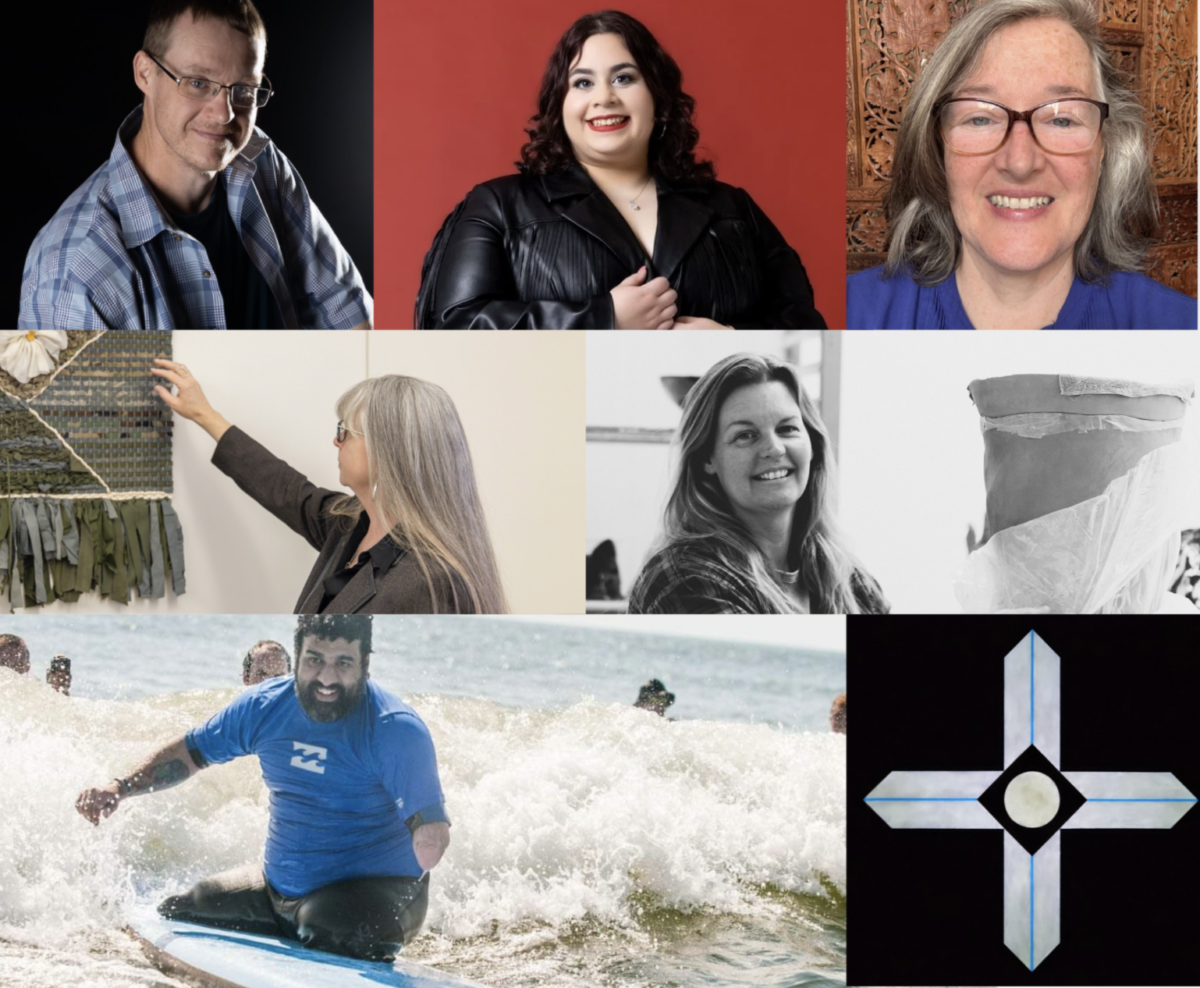
The Veteran Artist Research Fellowship, hosted by Provisions Library for Art and Social Change at George Mason University, is a two-year interdisciplinary program running from January 2026 through May 2027. Designed to support veteran artists in sustained creative and scholarly inquiry, the fellowship provides a collaborative framework for research, dialogue, and artistic experimentation. Through this program, fellows are invited to deepen their artistic practices while exploring the intersections of art, lived experience, and social change. Grounded in a commitment to critical inquiry, creative exchange, and community engagement, the fellowship cultivates a space where veteran artists can develop new bodies of work, expand their research, and contribute to broader conversations about art’s role in fostering connection, reflection, and transformation.
CJ DAVIS
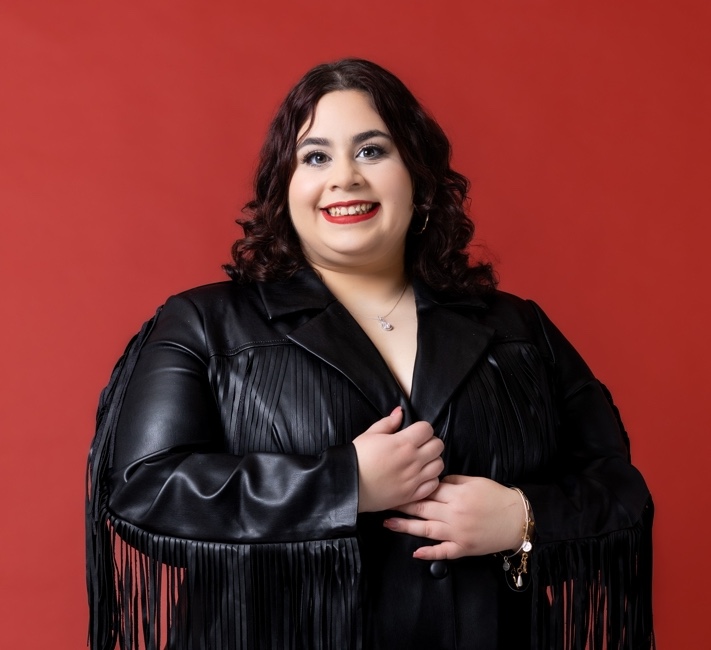
I am a Mexican American painter, author, and community advocate whose work explores trauma, healing, identity, and resilience. My artistic practice is rooted in storytelling, using painting and drawing to confront lived experiences rather than escape them. I am a George Mason University School of Art alumna and am currently pursuing a Master of Public Health at Old Dominion University, which I will complete in May 2026. Influenced by both my artistic training and public health background, as well as my work in domestic violence prevention, I create work that centers emotional truth, memory, and the process of reclaiming selfhood.
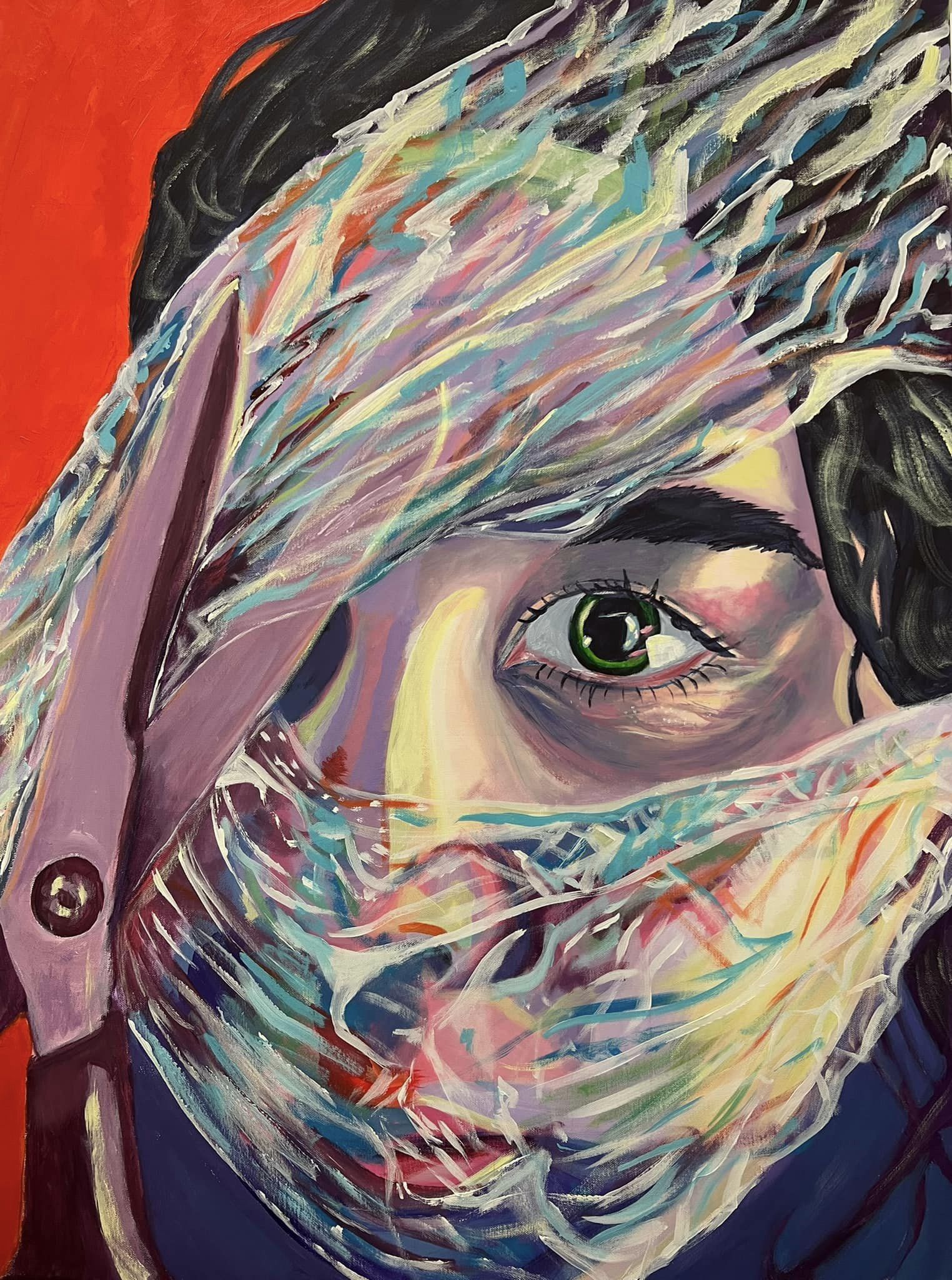
My current research examines the experiences of immigrants who serve in the United States military, focusing on identity, belonging, and the pursuit of the American dream. This work is deeply personal, inspired by my mother, who immigrated from Mexico and pursued her American dream through military service. Her story informs my interest in how service intersects with cultural identity, sacrifice, and resilience.
Through this fellowship, I will integrate qualitative research and artistic practice by conducting interviews with immigrant service members and veterans and translating their narratives into a body of visual work.
By the end of the fellowship, I aim to develop a cohesive exhibition concept alongside a written research essay or publication that synthesizes my findings and artistic process, contributing to broader conversations on immigration, identity, and service.
Joshua Hubbell
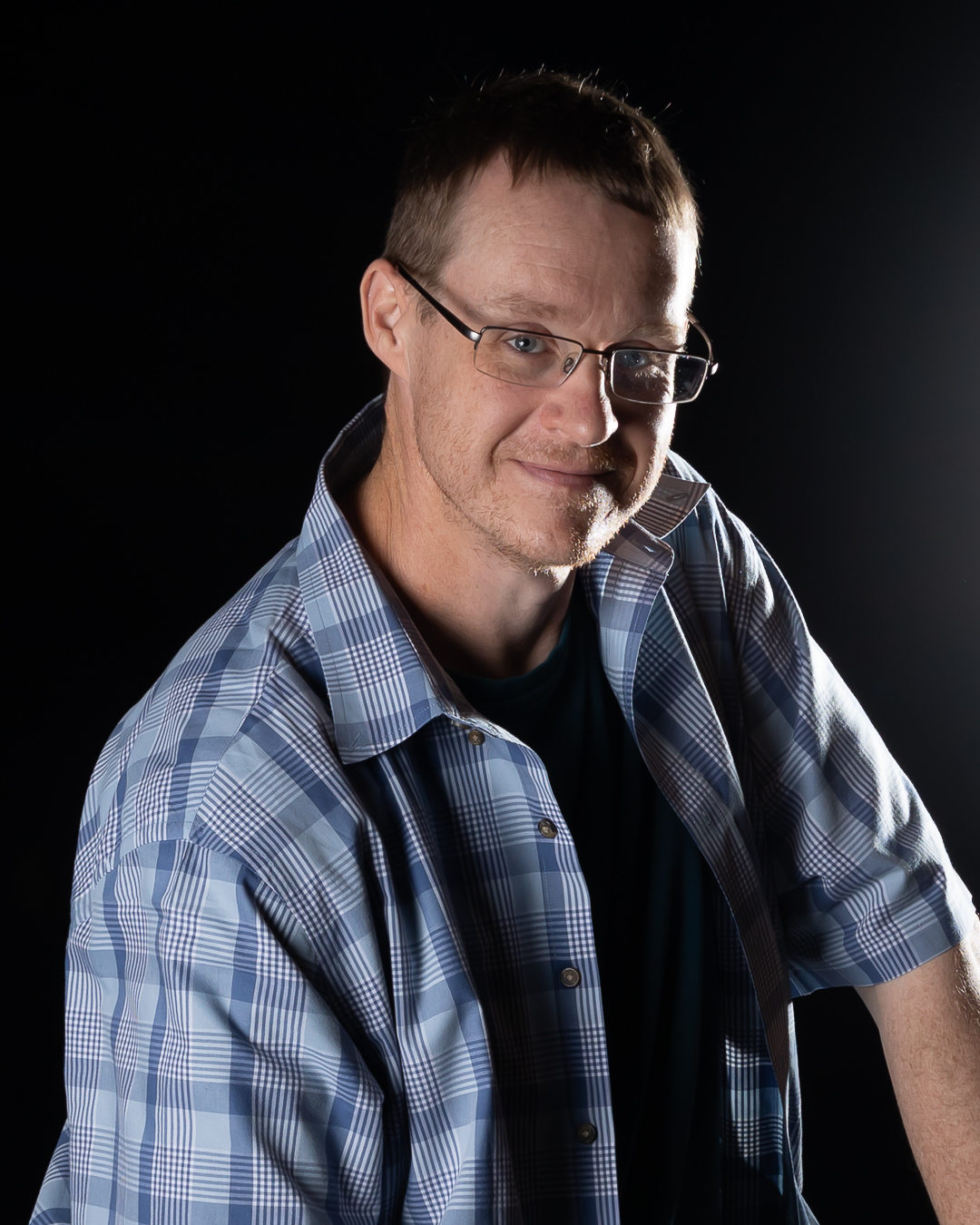
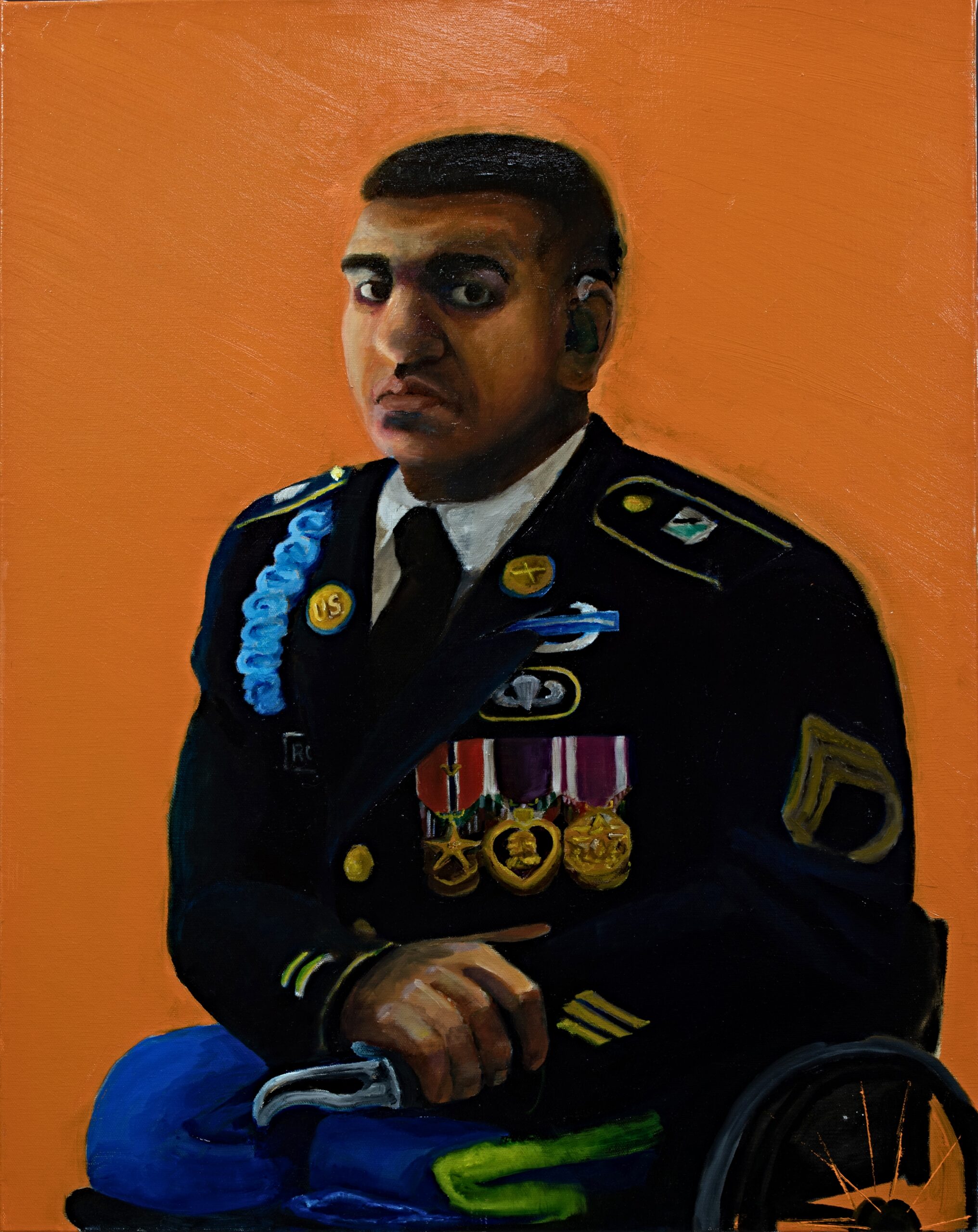
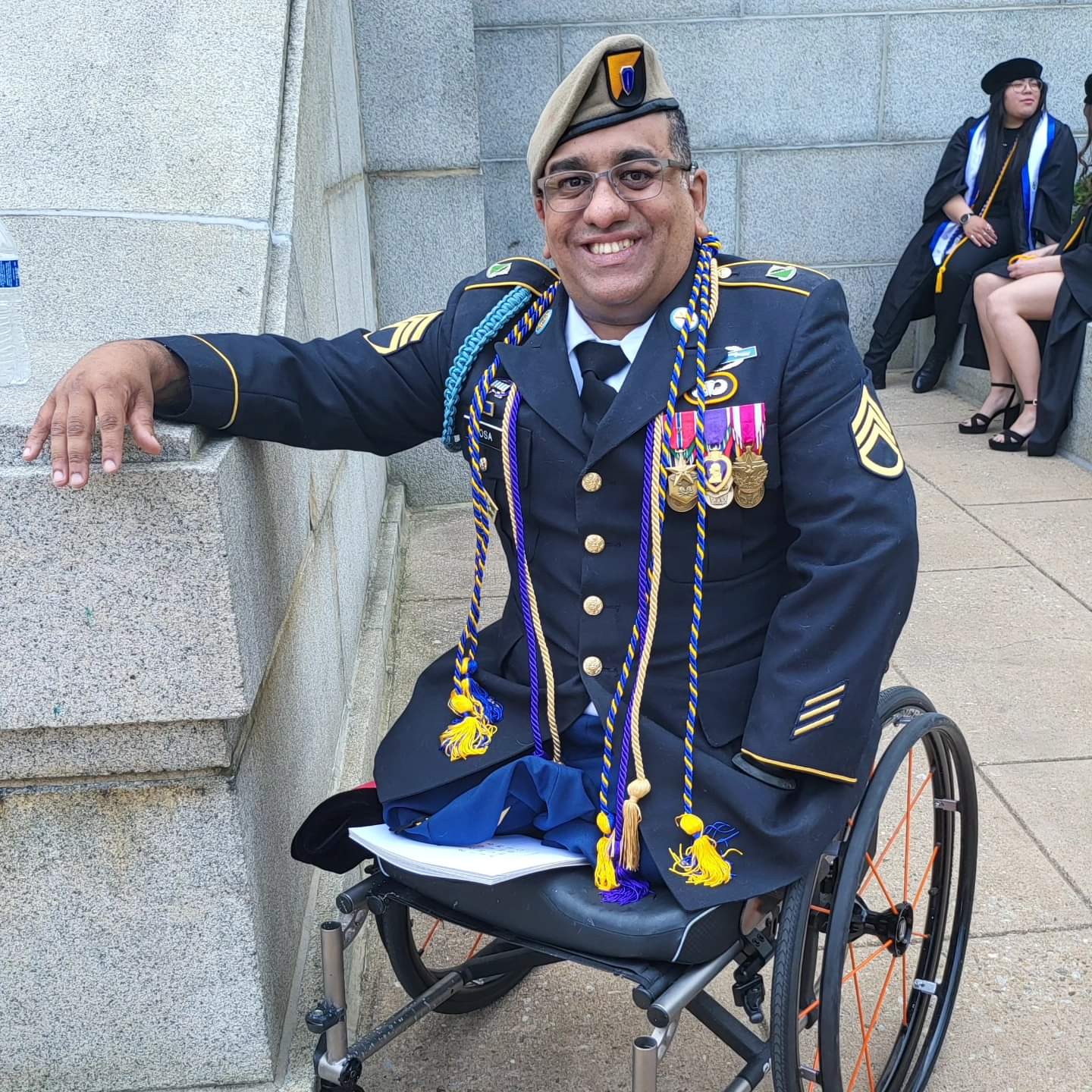
My artistic practice uses photography and interdisciplinary work to explore perception, memory, and the emotional realities that exist beneath public narratives. Much of my current work is informed by my experience as the former caregiver of wounded veteran and artist Luis Rosa. Through that experience, I witnessed both the deeply personal realities of recovery and the broader ways our society engages with, misunderstands, or distances itself from the lived experiences of veterans and service members.
During this fellowship, my focus is to develop work that reflects both my emotional response to those experiences and my perspective on the relationship between our society and the veterans who have served it. I am particularly interested in the tension between public perception and lived reality – how ideas of service, sacrifice, and care are often simplified or misunderstood within broader cultural narratives.
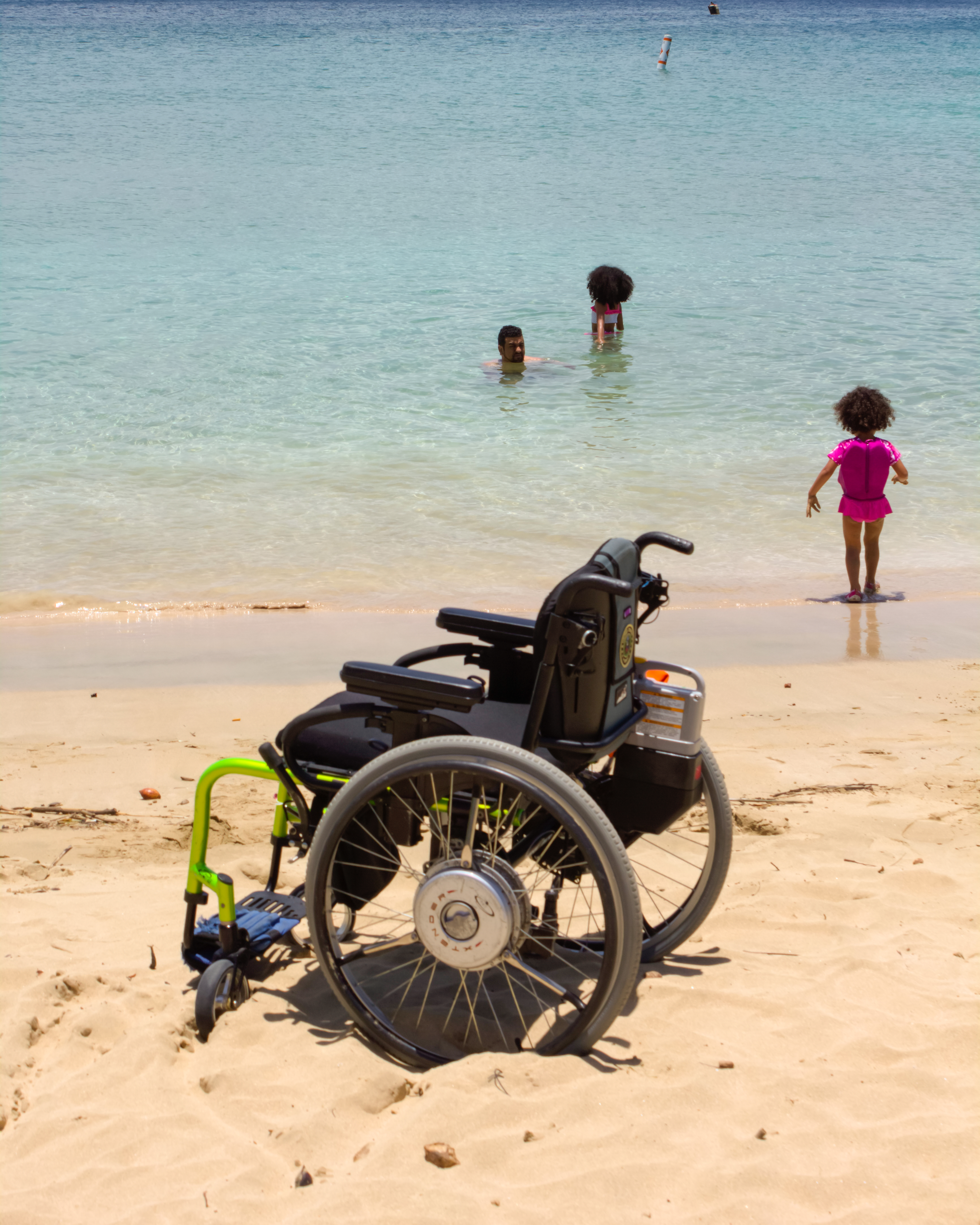
At minimum, I plan to complete a three-part body of work that explores these themes through photography and sculptural elements. These pieces are designed to function both independently and as a unified narrative examining perception versus lived experience. I also intend to complete a collaborative project with Luis Rosa that builds on our ongoing conversations about representation, authorship, and the role of veterans within contemporary cultural discourse.
By the end of the fellowship, I aim to produce this three-part body of work, develop the collaborative project with Rosa, and generate written research that may take the form of essays or an exhibition concept expanding on the themes explored in the work. At the same time, I hope to use the unique access the fellowship provides – its artists, collaborators, and resources – to create additional works that expand these ideas as much as possible during this period of concentrated research and production.
Ultimately, the goal of this work is to encourage greater public awareness and deeper reflection on the realities faced by veterans and the communities connected to them, using art as a way to prompt conversation and reconsideration.
Kathryn “Cricket” Tate
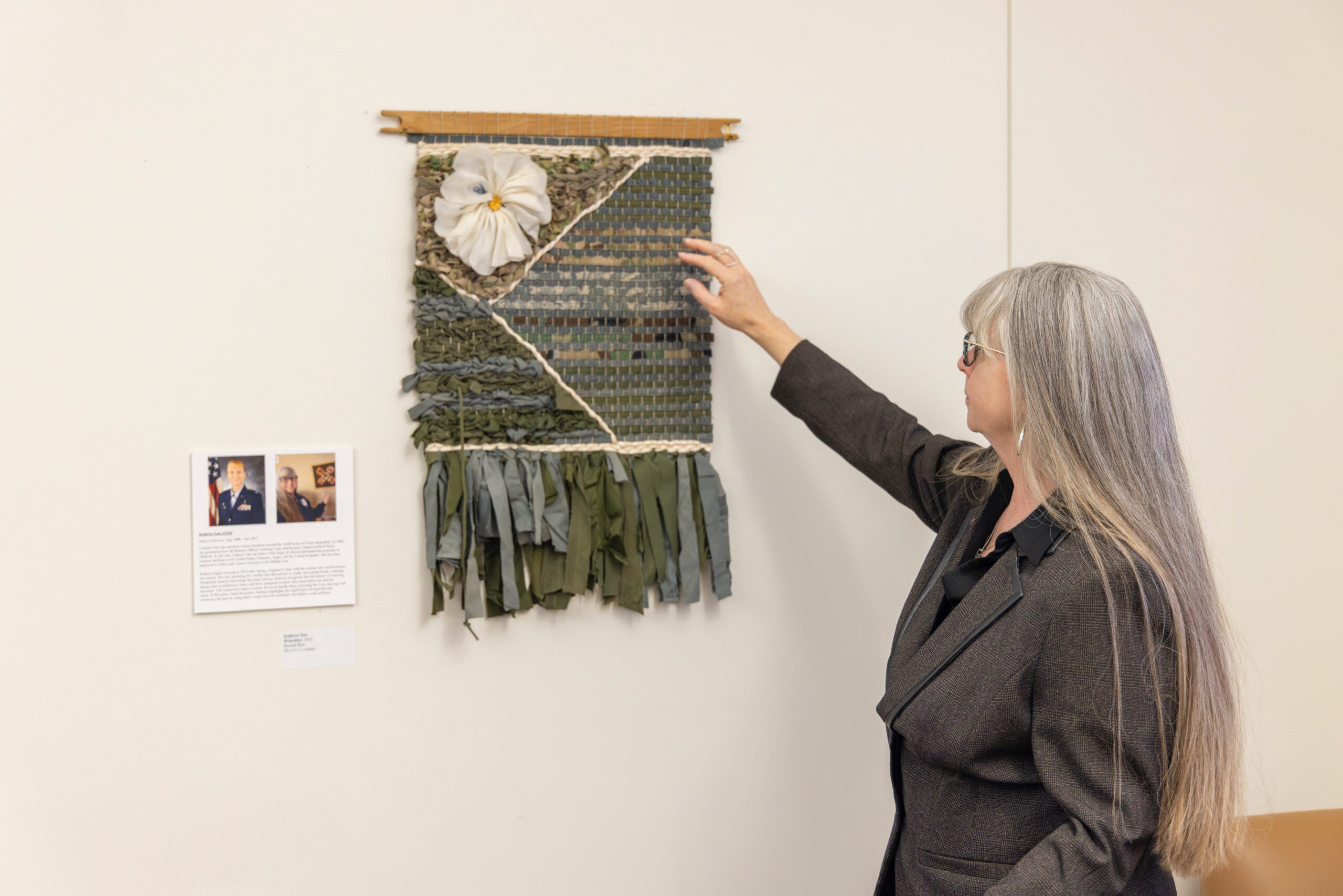
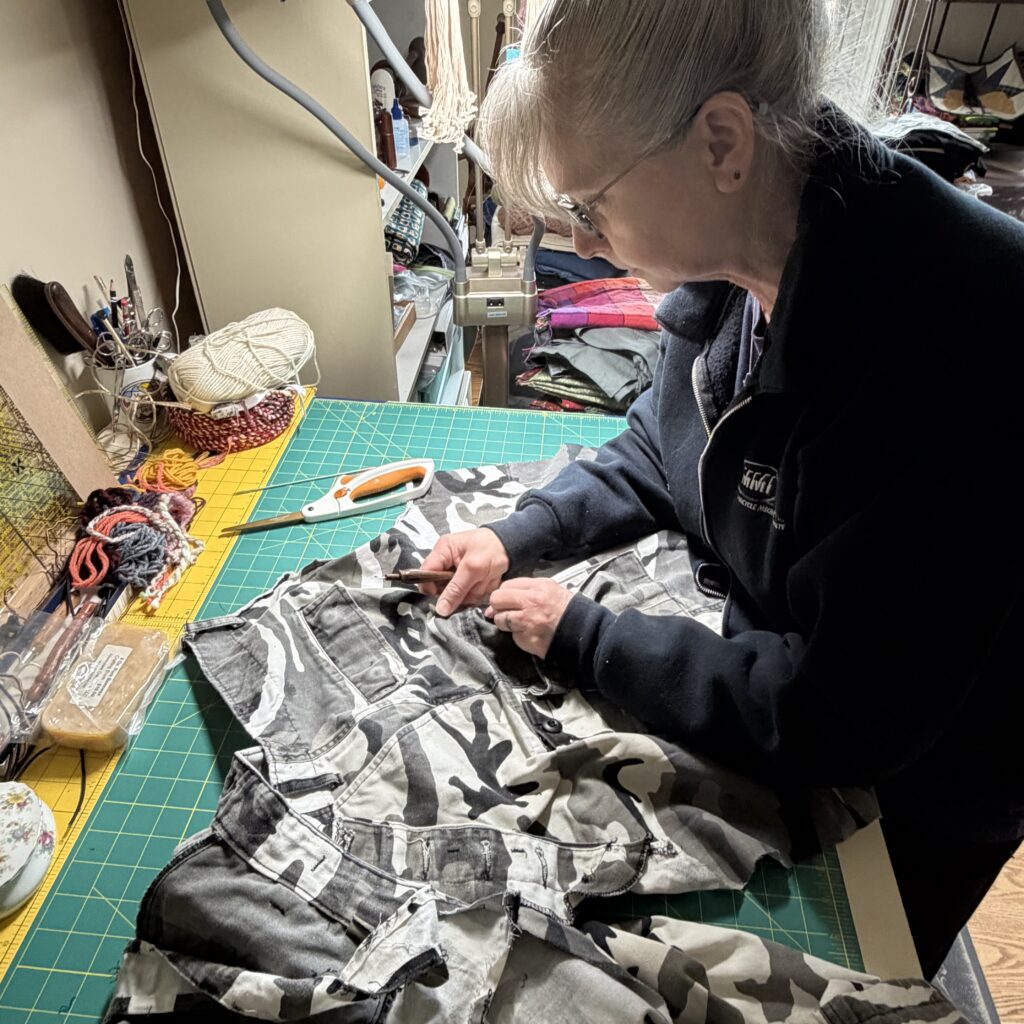
I am a United States Air Force (USAF) BRAT, a Veteran with 29 years on active-duty in the USAF, and a weaver of cloth with memory.
As a weaver I process fiber with frame, floor, table, and band looms to create both functional and artistic works. When I weave, the crossing of warp and weft reflects the intersection of life and service. My work utilizes military uniforms worn by my grandfather, father, mother, husband, friends, and myself – all who have served our country. These materials span US history from WWII through the present day. Through fiber, I bring together the elements of military service, memory, and healing. No thread stands alone in a woven piece, just as no one who serves, or served, stands alone.
My research focus is the use of fiber arts in the occupational and vocational rehabilitation of Veterans post-conflict. I hope to produce an article for publication in either a scholarly or craft journal.
Michelle A. Smith
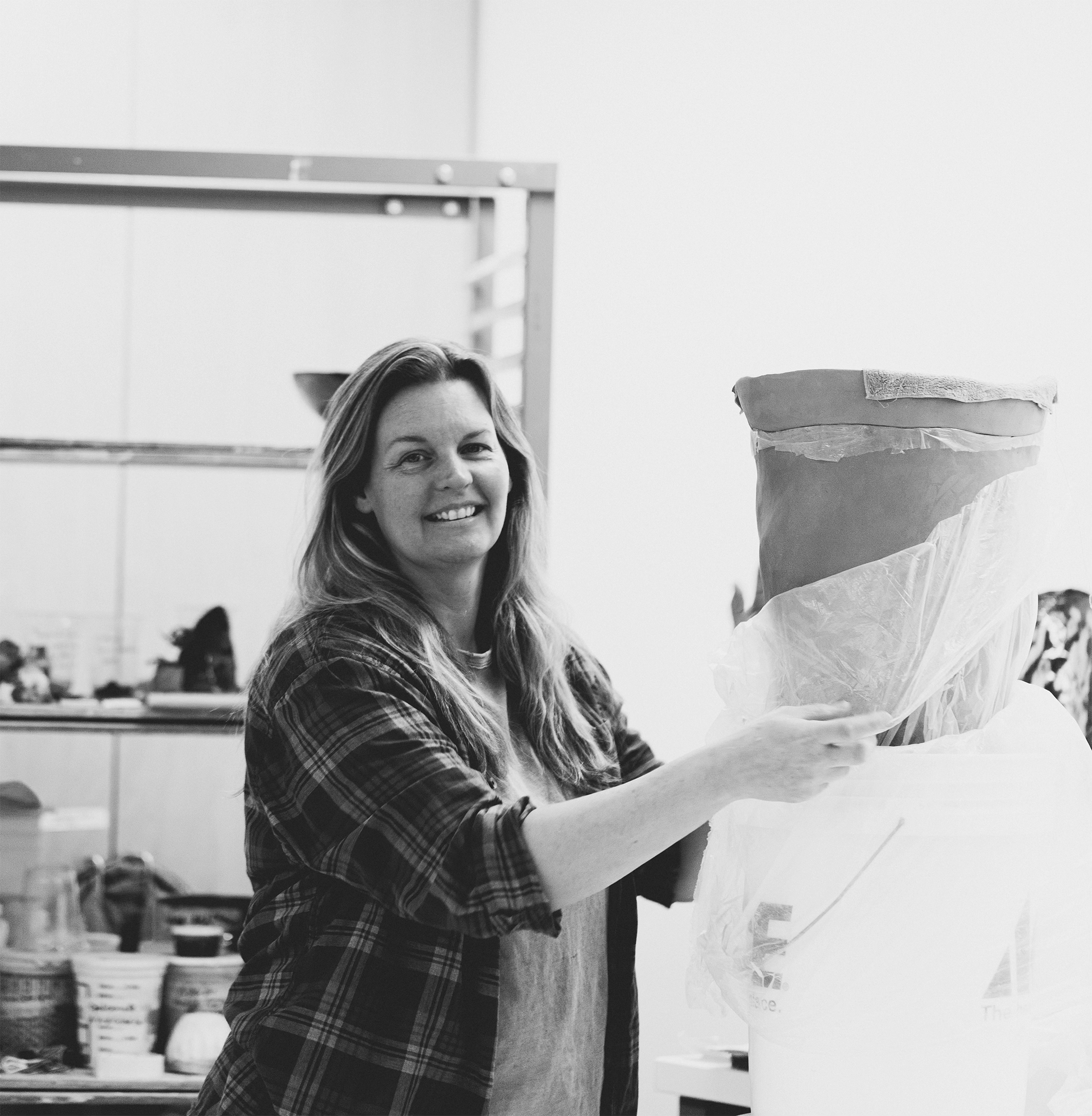
I am a sculptor from the DC Metropolitan area and a surviving military spouse. I recently earned my MFA: Studio Arts from James Madison University in 2025. I am currently pursuing a second Master of Fine Arts, this time in Ceramics as a Teaching Fellow at the University of Massachusetts, Dartmouth campus.
Through the Provisions Research Fellowship appointment, a wish to explore a new body of work that expands of my previous thesis exhibition that dealt with loss, absence and grief. I want to create more work that succeeds through the clarity of formal elements, the intimate direct messaging of human psychology and spatial arrangements that speak to a hunger for human connection through understanding. All under the undeniable presence of mixed media abstraction. I am driven again and again by the need to express deeper inner rationalizations through my art practice.
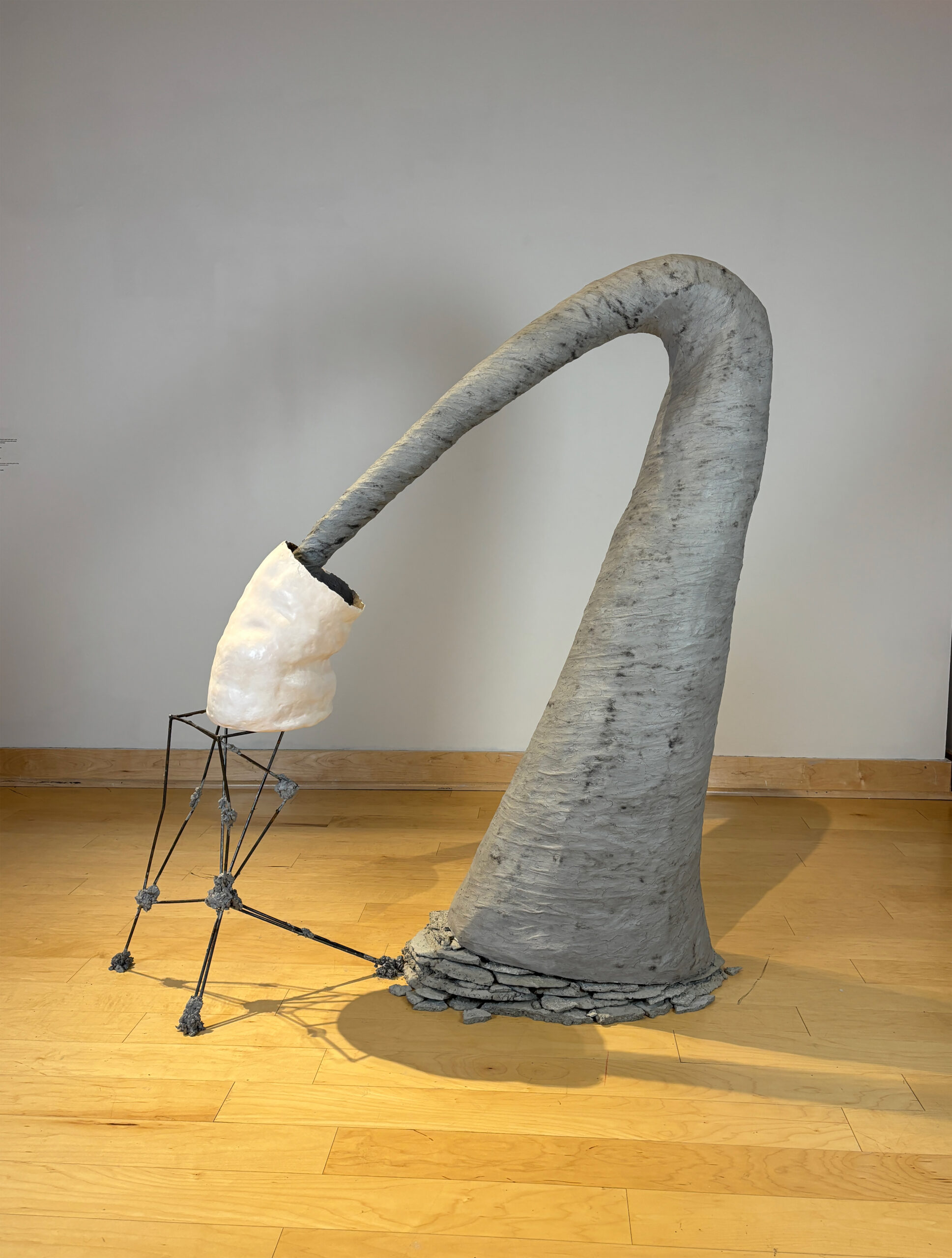
A tangible goal for me to achieve by the end of the fellowship is to create a ceramic journal of archived emotions. One that utilizes a grided framework but breaks this system of control where the abstraction of emotions can come through via experimentation with glazes, inclusions of mixed media, and mark making with clay. I hope for these expressions to take the form of both wall sculptures and free standing three-dimensional works. All backed by a more in depth materials study. I wish to push myself to hone in on my personal creative style– one that continues to emphasize the metaphors and psychic intentions within my work.
Nate Juncer

I am working on what I call windows. The first of these is titled Interior Window. I am playing with the ideas of an interior window as an internal architectural element that is placed between rooms to allow the transfer of light and as a viewport to internal mechanisms and structures. This will be the foundation of my work over the course of the fellowship.
In my work, you will often see the circle and the square. These two shapes have been used in artwork and architectural motifs over the years with a range of laden meanings and associations. The square is mainly a representation of Earth, the known world, and physicality, while the circle has been used to signify repetition, eternity, and divinity. Another way I explore these concepts is through the incorporation of Carrara marble dust and europium in paint mediums.
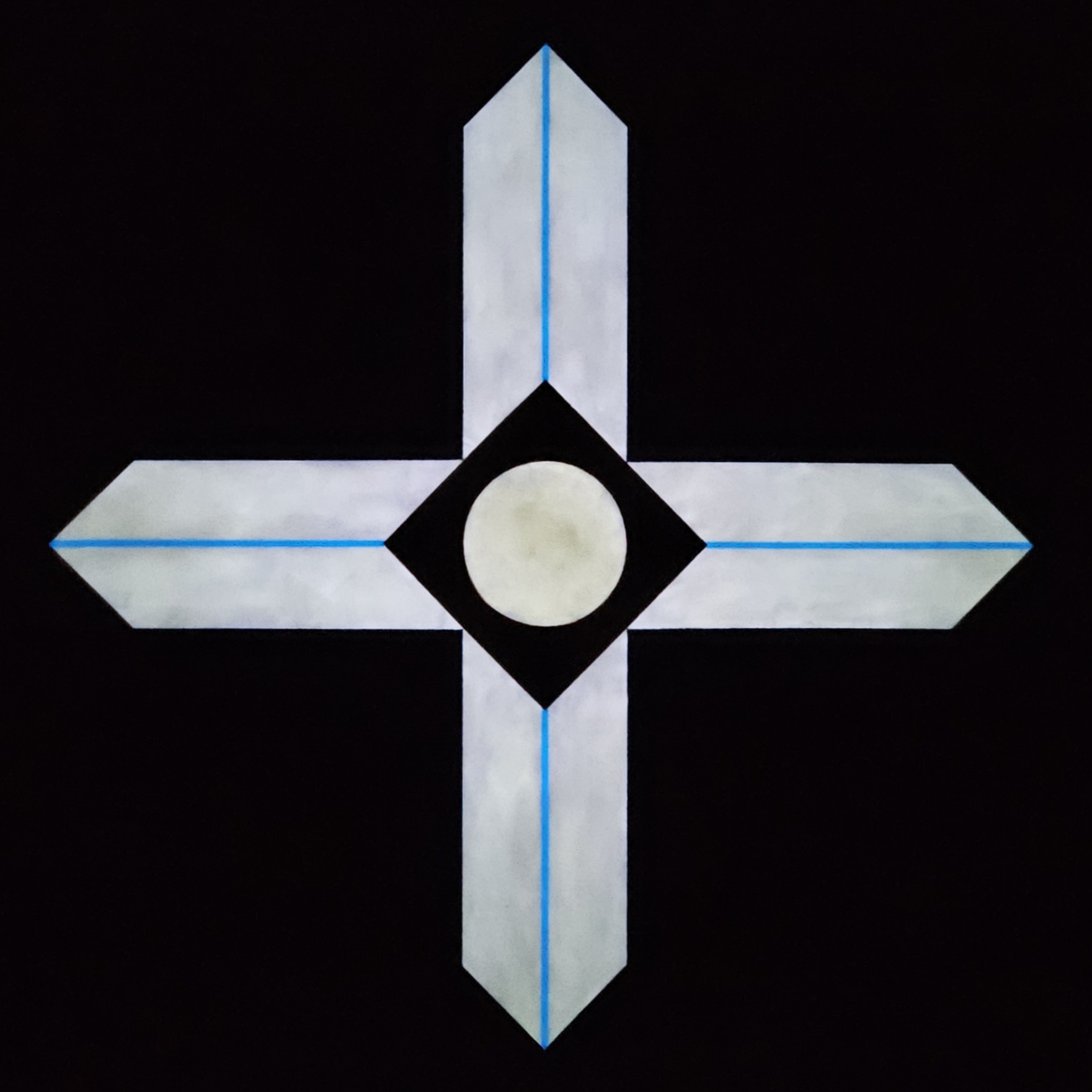
My interest in europium being two of its uses in our world. One is its application as a balancing agent in the nuclear reactors that generate our energy. The other is it can be processed into a powder that stores light; it then emits this light when in a dark space. In darkness, this glow comes from beneath the surface of the marble paint I layer over top. Part of my process is intensive layering of tape on the surface and around the edge of the stretched canvas. This contains the mediums to the surface of the work, giving a tangible dimensionality to the shapes and lines when removed. Elements of trompe-l’œil and color relation add to the perception of dimensionality.
During this fellowship, I seek to further explore physical, psychological, and metaphysical concepts through a combination of our intrinsic and learned recognition of materials, symbols, and perceptions. My goal is to create works where we can contemplate and reflect upon both our personal and shared experiences.
Moira McGuire
My earliest memories are all art-based. Playing under the piano with my sister while my dad taught voice lessons in our expansive living room; marching, skipping, and jumping around our first floor to match the varied tunes my mother played on the piano; waking up Saturday mornings to someone singing opera downstairs; going to painting classes with my mom, listening to my dad sing the little ditties he wrote for each of his four kids as he worked around the house; falling asleep to my mom playing folk songs on her guitar; going to ballet and Irish dancing classes, piano lessons, harp lessons, flute lessons; the list is extensive. I always thought my childhood was something other children experienced as well; and that it, in turn, fed a love of music, art, movement, poetry, and all things art-based that would continue into young adulthood and beyond. However, as I entered adulthood, I found this belief to be false time and time again. Undeterred in my pursuits and convinced that with the right understanding, exposure, and engagement most adults would eventually come to the same conclusion, I continued to pursue my personal creativity.
I encountered one of the most substantial challenges to my belief system when I entered healthcare as a nurse. I found many of my peers disinterested in my pursuits, dismissively intrigued, or sometimes annoyed or suspicious. In conversations I could see the changing facial expressions, and perceptions of me, as I discussed the critical role creativity and self-expression play in health, healing, and well-being. And as I cared for our combat-injured from Afghanistan and Iraq, reinforcing my desire to operationalize this for our wounded, ill, and injured service members, most of my peers saw this as a time to focus on only the most urgent of matters and arts engagements didn’t make the cut.
I came to the National Naval Medical Center in 2003 and left in 2022 from the same location with a different name, Walter Reed National Military Medical Center. However, the name wasn’t the only thing that changed during that time. I was also a different person when I left, changed, altered, and shifted. As I cleaned out my office and walked out the door, it was unclear whether these transformations were permanent. I have spent 3.5 years since retirement trying to reclaim some part of me.
Luis Rosa-Valentin
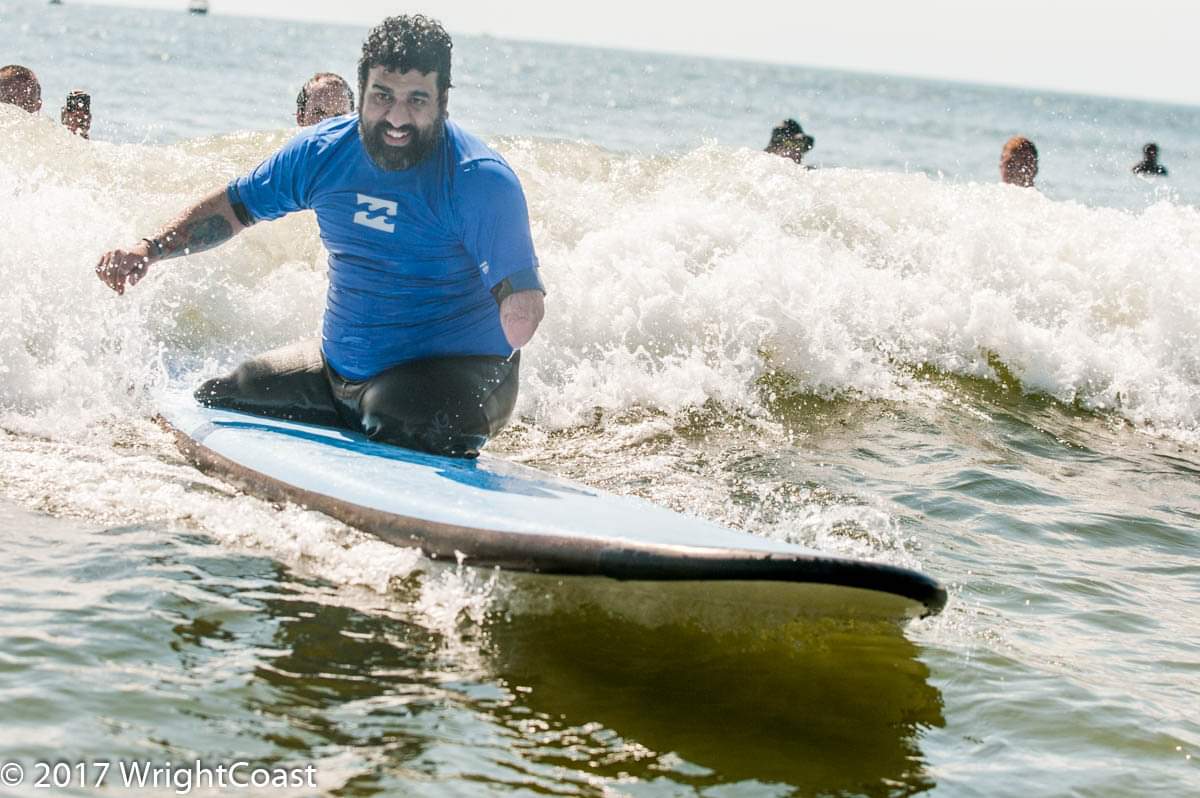
My name is Luis Rosa-Valentin, a painter and a warrior. Before I bore the brush, I bared the sword. My artistic practice began when I painted Baghdad red during my second tour in Iraq, 2008. In my transition to my new life, I was introduced to art therapy and the conduit to my expressions; art. Wanting to bring the same type of care that helped me so much, I chose to go to college in hopes of becoming an art therapist. A year at CCBC, and a semester at NDMU, eventually, I would find myself graduating from MICA, ‘23 with a BFA in general fine arts. Somewhere along that path, I realized that art really was my calling, not just a footnote in my journey.
With so much having happened during that journey, reflection is inevitable. I would reflect on the life I once led or the limbs I had lost. Much like the roughly 1,700 service members who lost a limb(s) during the Global War on Terror. During my fellowship at Provisions Library, George Mason University, I would like to create a body of work exploring reflection using refraction. On 1:1 scale photographs of wounded veterans, I would overlay a glass pane and paint in the missing limb. At one angle, they would appear whole. On closer inspection, the viewer would better see the truth of their loss.